Посібник з модернізації комерційного та промислового освітлення 2026: від люменів до люменів на ват
Еталон змінився
Упродовж багатьох років менеджери об’єктів оцінювали модернізацію освітлення за загальним світловим потоком. Більше люменів означало яскравіші приміщення, а більша яскравість нібито була кращою. У 2026 році ця логіка застаріла.
Показник, який має значення зараз, — це люмени на ват (лм/Вт): скільки корисного світла видає світильник на одиницю спожитої енергії. Світильники LED першого покоління, встановлені між 2012 та 2018 роками, зазвичай досягають 80–110 лм/Вт. Комерційні LED поточного покоління забезпечують 140–200 лм/Вт. Це не поступове поліпшення, а докорінна зміна.
Світильник LED першого покоління потужністю 200W, що видає 18,000 люменів за ефективності 90 лм/Вт, тепер можна замінити на світильник потужністю 100W, що видає ті самі 18,000 люменів за ефективності 180 лм/Вт. Такий самий світловий потік. Удвічі менше енергії. Це основний аргумент на користь модернізації, і він однаково справедливий для складів, торгових приміщень, виробничих цехів та автостоянок.
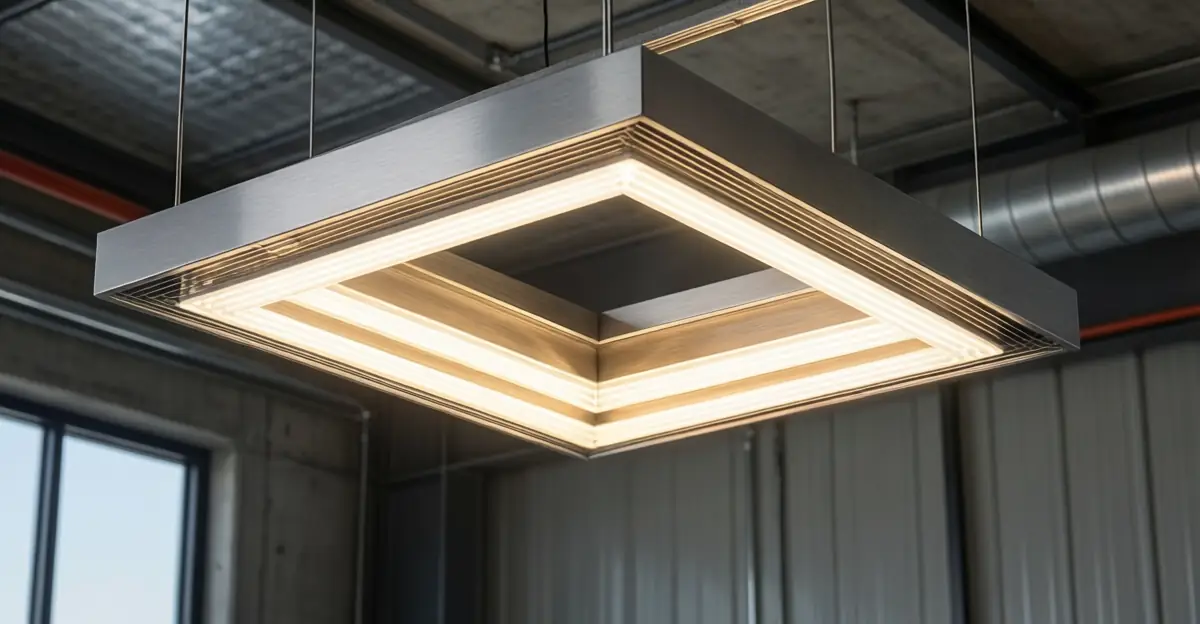
Чому LED першого покоління тепер є проблемою
Перша хвиля впровадження LED (2012–2018) вирішила найочевиднішу проблему: заміну ламп розжарювання та люмінесцентних джерел. Ті ранні LED були значно кращими за технології, які вони замінили, але не стали остаточним рішенням.
Три фактори роблять модернізацію LED першого покоління невідкладною у 2026 році:
Деградація світлового потоку. LED втрачають 10–30% світлового потоку протягом номінального терміну служби. Світильник, що спочатку видавав 18,000 люменів, тепер може видавати 13,000–16,000 люменів. Унаслідок цього робочі зони отримують недостатнє освітлення, що ставить під загрозу безпеку та продуктивність.
Розрив в ефективності. Світильник на 90 лм/Вт, що був найсучаснішим у 2015 році, зараз поступається альтернативам із показником 180+ лм/Вт. Продовжувати його експлуатацію означає платити за вати, які вам більше не потрібні.
Норми щодо екологічно безпечного освітлення. Дедалі більше юрисдикцій вимагають вилучення з експлуатації ртутьвмісних люмінесцентних баластів. Якщо у вашому «LED-ретрофіті» досі використовуються лампи, сумісні з люмінесцентним баластом, він може не відповідати вимогам.
Економія 70% реальна — ось математика
Заяви про економію «до 70%» — звична річ у маркетингових матеріалах. Ось як ця цифра витримує перевірку.
Сценарій: металгалогенна лампа 400W → LED 150W (пряма заміна)
| Показник | Металгалогенна (400W) | LED нового покоління (150W) |
|---|---|---|
| Потужність | 400W + 15% баласт = 460W | 150W (з драйвером) |
| Люмени | 20,000 (деградує) | 20,000 (стабільно) |
| Ефективність | 50 лм/Вт | 133 лм/Вт |
| Термін служби | 15,000 год | 100,000+ год |
| Річні kWh (4,380 год) | 2,015 | 657 |
| Річна вартість за тарифом £0.22/kWh | £443.30 | £144.54 |
Річна економія на світильник: £298.76 (зменшення на 67.4%)
Сценарій: LED першого покоління (200W) → LED нового покоління (100W)
| Показник | LED першого покоління | LED нового покоління |
|---|---|---|
| Потужність | 200W | 100W |
| Люмени | 18,000 | 18,000 |
| Ефективність | 90 лм/Вт | 180 лм/Вт |
| Термін служби | 50,000 год | 100,000+ год |
| Річні kWh (4,380 год) | 876 | 438 |
| Річна вартість за тарифом £0.22/kWh | £192.72 | £96.36 |
Річна економія на світильник: £96.36 (зменшення на 50%)
На об’єкті з 200 світильниками перший сценарій заощаджує £59,752 на рік. Другий заощаджує £19,272 на рік. Обидва розрахунки не враховують економію на обслуговуванні (менше замін, відсутність відмов баласта) та переваги для HVAC (зменшене теплове навантаження), які зазвичай додають 10–15% до загальної економії.
Період окупності: чому два роки — досяжна ціль
Формула ROI пряма:
Період окупності = Чиста вартість монтажу ÷ Річна економія енергії
Розглянемо приклад ретрофіту 200 металогалогенних світильників:
- Вартість монтажу: £128,000 (£640 на світильник, з монтажем)
- Ребейт від енергокомпанії (20%): -£25,600
- Чиста вартість: £102,400
- Річна економія енергії: £59,752
- Окупність: 1.7 року
Для модернізації LED першого покоління:
- Вартість монтажу: £64,000 (£320 на світильник, з монтажем)
- Ребейт від енергокомпанії (15%): -£9,600
- Чиста вартість: £54,400
- Річна економія енергії: £19,272
- Окупність: 2.8 року
Окупність менш ніж за два роки досяжна, коли:
- Години експлуатації перевищують 5,000 на рік (об’єкти з режимом 24/7, холодильні склади)
- Місцеві ребейти від енергокомпаній або стимули SECR покривають 30%+ вартості проєкту
- Модернізація включає системи керування (використання денного світла, датчики присутності), що скорочують тривалість роботи освітлення на 30–50%
Для об’єктів із режимом 24/7 та значними ребейтами розрахунок виглядає так:
- 200 світильників, 8,760 год/рік, ребейт 30%
- Річна економія: £119,504 (сценарій з металогалогенними лампами)
- Чиста вартість: £89,600
- Окупність: 0.75 року
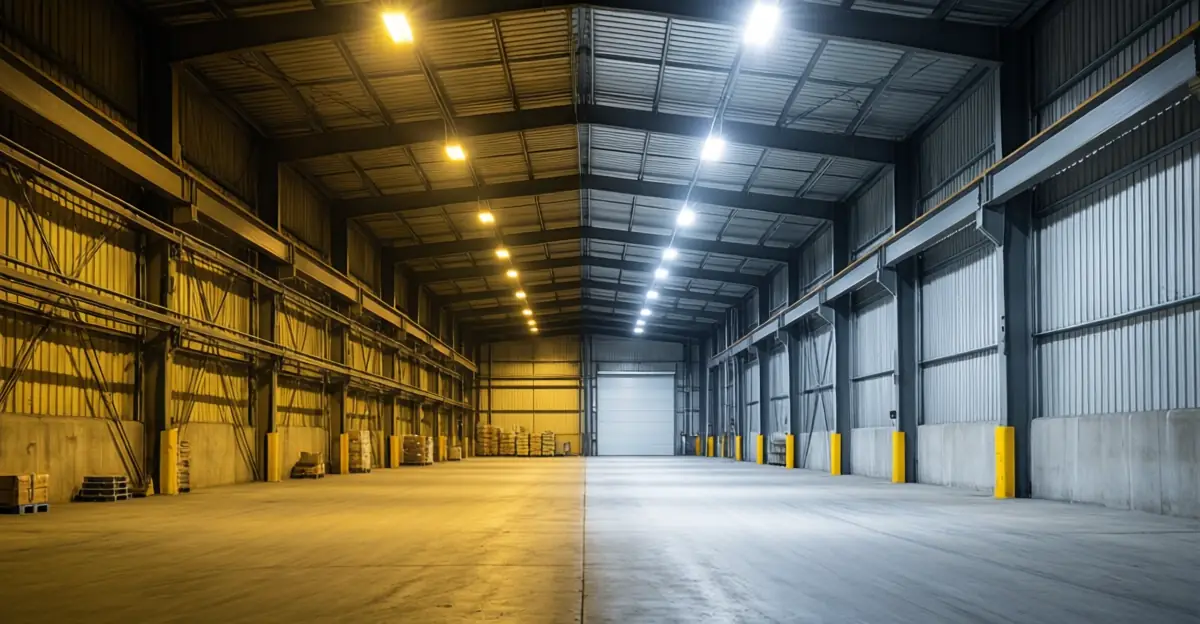
Множник систем керування
Модернізація LED без інтеграції систем керування залишає нереалізованими 30–50% потенційної економії. Найвпливовіші стратегії керування для комерційних та промислових об’єктів:
Датчики присутності. Склади, зони зберігання та санвузли не зайняті 60–80% часу. Датчики присутності зменшують енергоспоживання освітлення в цих зонах на 50–70%, перемикаючись на режим чергового освітлення низького рівня, коли простір не зайнятий.
Використання денного світла. Периметральні зони та ділянки з верхнім природним освітленням отримують значну кількість денного світла протягом робочих годин. Фотодатчики пропорційно приглушують штучне освітлення, зазвичай заощаджуючи 20–40% у відповідних зонах.
Керування за розкладом. Керування за часом гарантує, що освітлення працює лише в робочі години. Для об’єктів із передбачуваним графіком це усуває проблему «світло горить усю ніч», на яку припадає 10–20% марно витраченої енергії освітлення в комерційних будівлях.
Диммування та налаштування під конкретні завдання. Багато приміщень за замовчуванням мають надмірне освітлення. Зменшення світлового потоку відповідно до фактичних вимог завдання (наприклад, 300 lux для загальних складських робіт проти 500 для зон детальної інспекції) заощаджує енергію й водночас покращує візуальний комфорт.
Вартість додавання систем керування до модернізації LED зазвичай становить 15–25% від вартості світильників, але додаткова економія енергії скорочує загальний період окупності, а не подовжує його. У більшості сценаріїв проєкти модернізації із системами керування окупаються на 6–18 місяців швидше, ніж заміна самих лише світильників.
Поширені помилки, що вбивають ROI
1. Надмірне освітлення
Багато об’єктів було спроєктовано з урахуванням обмеженого світлового потоку старіших технологій. Пряма заміна 1-до-1 на LED часто призводить до надмірного освітлення приміщення. Спершу проведіть фотометричне дослідження. Кількість світильників часто можна зменшити на 15–20% без погіршення рівня освітленості, що безпосередньо знижує вартість проєкту.
2. Ігнорування систем керування
Датчики присутності, використання денного світла та керування за розкладом можуть додатково зменшити енергоспоживання освітлення на 30–50% порівняно з економією від самої модернізації LED. Встановлення світильників без систем керування залишає значну частину потенційної економії нереалізованою.
3. Вибір найдешевшого варіанта
Світильник за £40 з ефективністю 120 лм/Вт проти світильника за £95 з ефективністю 180 лм/Вт — дешевший варіант коштує дорожче за 5 років. При 4,380 годинах експлуатації на рік різниця у 60 лм/Вт означає, що кожен світильник за £95 заощаджує приблизно £20/рік на енергії. За 5 років це £100 — більше за різницю в ціні.
4. Пропуск фотометричного плану
Розміщення світильників і їхнього світлового потоку навмання призводить до надмірно освітлених ділянок, темних зон і переробок. Належний фотометричний план коштує £400–£1,500 та запобігає виправленням на суму £8,000+.
Що специфікувати у 2026 році
Оцінюючи світильники LED нового покоління, надавайте пріоритет цим характеристикам:
| Специфікація | Цільовий діапазон | Чому це важливо |
|---|---|---|
| Ефективність | 150–200 лм/Вт | Безпосередньо визначає вартість енергії |
| CRI | 80+ (90+ для роздрібної торгівлі) | Точність передачі кольору впливає на презентацію товару та комфорт працівників |
| Можливість вибору CCT | Перемикання 3000K–5000K | Один SKU для кількох застосувань |
| Можливість вибору потужності | Регулюється DIP-перемикачем | Підбір світлового потоку відповідно до фактичної потреби |
| Номінальний термін служби | L70 при 100,000+ год | Визначає частоту заміни |
| Диммування | 0–10V або DALI-2 | Необхідне для інтеграції систем керування |
| Гарантія | 5–10 років | Впевненість виробника у довговічності |
Коли модернізувати: рамка для прийняття рішень
Не кожен об’єкт потребує негайної модернізації. Скористайтеся цією схемою:
| Умова | Рекомендація |
|---|---|
| Світильникам понад 5 років, робота 24/7 | Модернізуйте зараз — окупність менше 2 років |
| Світильникам понад 5 років, робота < 12 год/день | Модернізуйте протягом 12 місяців — окупність 3–5 років |
| Світильникам менше 3 років | Зачекайте — ROI ще не виправдовує модернізацію |
| Люмінесцентні лампи досі встановлені | Модернізуйте негайно — цього вимагають і норми, і економічна доцільність |
| Плануєте нове будівництво | Від самого початку закладіть у специфікацію LED нового покоління |
Ключове питання — не «чи варто модернізувати?», а «коли модернізація стає найдешевшим варіантом?». Для більшості комерційних та промислових об’єктів із LED-системами, встановленими у 2012–2018 роках, цей момент настав зараз.
Регіональні особливості
Економіка модернізації суттєво відрізняється залежно від географії. Три фактори визначають регіональні відмінності:
Тарифи на електроенергію. Комерційні тарифи на електроенергію коливаються від £0.15/kWh у деяких регіонах до £0.30+/kWh у Лондоні та Південно-Східній Англії. Вищі тарифи значно скорочують періоди окупності. Об’єкт, що платить £0.28/kWh, досягає точки окупності приблизно у 2.5 рази швидше, ніж той, що платить £0.15/kWh за ту саму модернізацію.
Наявність ребейтів та стимулів. Британські схеми, такі як рамка SECR (Streamlined Energy and Carbon Reporting) та Enhanced Capital Allowances (ECA), можуть компенсувати частину вартості проєкту. Деякі оператори розподільчих мереж пропонують додаткові стимули за зниження попиту. Carbon Trust також надає консультації, а в деяких випадках — фінансування проєктів з енергоефективності.
Регуляторні терміни. EU Ecodesign Regulation — збережений у британському законодавстві після Brexit — заборонив більшість люмінесцентного освітлення у 2023 році. UK RoHS Regulations додатково обмежують розміщення на ринку ртутьвмісних ламп. Об’єкти мають дотримуватися встановлених термінів, що додає нагальності поза суто економічними міркуваннями.
| Регіон | Середній комерційний тариф | Доступність стимулів | Регуляторний тиск |
|---|---|---|---|
| UK (London & South East) | £0.25–£0.32/kWh | Помірний (SECR, ECA, Carbon Trust) | Високий (збережене право ЄС + UK RoHS) |
| UK (North & Midlands) | £0.18–£0.26/kWh | Помірний (SECR, ECA, Carbon Trust) | Високий (збережене право ЄС + UK RoHS) |
| UK (Scotland & Wales) | £0.17–£0.24/kWh | Помірний (SECR, ECA, децентралізовані схеми) | Високий (збережене право ЄС + UK RoHS) |
| Республіка Ірландія | €0.22–€0.35/kWh | Помірний (гранти SEAI) | Високий (екодизайн ЄС) |
Фактор обслуговування
Розмови про ROI зазвичай зосереджуються на економії енергії, але економія на обслуговуванні суттєва і часто недооцінюється:
- Витрати на заміну ламп. Металогалогенні лампи потребують заміни кожні 15,000 годин (приблизно кожні 3.4 роки при 12 годинах на день). За ціни £40–£80 за лампу плюс вартість робіт об’єкт із 200 світильниками витрачає £8,000–£16,000 за цикл заміни ламп. LED нового покоління з номінальним терміном служби 100,000+ годин усувають ці витрати на 10+ років.
- Відмови баласта. Люмінесцентні та HID-баласти відмовляють кожні 3–5 років. Заміна баласта коштує £120–£250 на світильник, включно з роботою. Драйвери LED надійніші й зазвичай покриті гарантією.
- Плата за утилізацію. Ртутьвмісні лампи потребують спеціальної утилізації відповідно до WEEE Regulations, що коштує £0.50–£2.00 за лампу. LED, як правило, класифікуються як нешкідливі відходи.
Сукупна економія на обслуговуванні зазвичай додає 15–25% до загальної фінансової вигоди модернізації LED, скорочуючи ефективний період окупності на 6–12 місяців.
Поширені запитання: рішення щодо модернізації LED
Як зрозуміти, чи мої поточні LED є першим поколінням? Якщо ваші світильники встановлено до 2019 року, а виробник вказує їхню ефективність нижче 120 лм/Вт, вони, ймовірно, першого покоління. Перевірте оригінальний технічний паспорт або виміряйте струм — світильник на 200W, що видає менше 24,000 люменів, має ефективність нижче 120 лм/Вт.
Чи варто модернізувати LED, які досі працюють? Так, якщо розрив в ефективності перевищує 40 лм/Вт, і ви експлуатуєте світильники понад 4,000 годин на рік. Сама лише економія енергії виправдовує інвестицію, і ви уникаєте деградації світлового потоку, через яку старіші світильники стають дедалі менш придатними.
А що щодо розумних систем керування освітленням — чи варті вони додаткових витрат? Системи керування додають 15–25% до вартості світильників, але зазвичай скорочують період окупності на 6–18 місяців за рахунок додаткової економії енергії. Для об’єктів із режимом 24/7 системи керування майже завжди виправдані.
Скільки часу займає проєкт модернізації комерційного LED-освітлення? Ретрофіт на 200 світильників зазвичай займає 2–4 тижні на монтаж, плюс 1–2 тижні на фотометричне планування та закупівлю. Проєкти з інтеграцією систем керування можуть загалом зайняти 4–6 тижнів.
Чи потрібно замінювати всі світильники одразу? Ні. Поетапна модернізація — звичайна практика, починаючи із зон найінтенсивнішого використання (зони з режимом 24/7, світильники високої потужності), які окупаються найшвидше. Однак оптова закупівля зазвичай знижує вартість на світильник на 10–20%.
Наступні кроки
Визначте ефективність ваших поточних світильників, порівняйте її з сьогоднішнім еталоном 150–200 лм/Вт та розрахуйте річну економію на світильник. Для об’єктів із 100+ світильниками, що працюють понад 4,000 годин на рік, бізнес-обґрунтування очевидне — модернізація окупається до завершення гарантійного терміну.
Якщо вам потрібна допомога в оцінці поточної інфраструктури освітлення та розробленні плану модернізації, зверніться до спеціалістів з освітлення, які можуть надати фотометричні дослідження та розрахунки ROI, адаптовані до вашого об’єкта.