LED Lifespan Explained: L70, LM-80, TM-21 and System Reliability
What LED Lifespan Really Means in a Lighting Project
LED lifespan is one of the most quoted specifications in lighting, and also one of the most misunderstood. Buyers often see a number such as 50,000 hours and assume it means the fitting will simply operate without issue until that point. In practice, LED lifespan is not a single promise. It is a combination of lumen maintenance, component reliability, thermal design, and real operating conditions.
Understanding that distinction matters because a luminaire can remain technically on while already performing below the level the project considers acceptable. At the same time, a fixture can fail early for reasons that have little to do with the LED package itself.
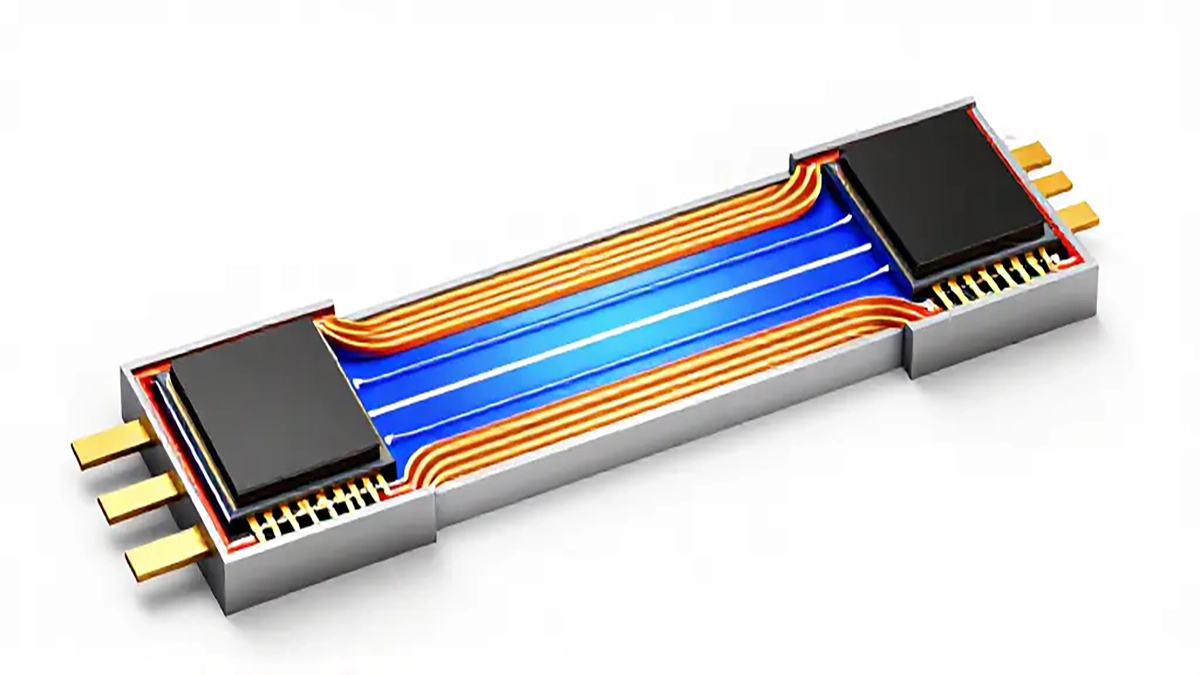
L70 Is About Light Maintenance, Not Total Survival
What L70 Means
When LED products are described as having an L70 life, the statement usually refers to the point at which light output is expected to decline to 70 percent of the initial level. This is why LED life should be understood as a depreciation curve rather than a simple on-off event.
For many projects, that is a useful way to think about service life. The fitting may still operate electrically, but if its output has dropped too far, the space no longer performs as intended.
Why This Matters to Buyers
A quoted L70 figure is not automatically the same as a guaranteed field life for the finished luminaire. It has to be interpreted alongside thermal conditions, driver quality, optical losses, and the way the product is actually being used.
Why LM-80 and TM-21 Matter
LM-80
LM-80 is commonly used to evaluate lumen maintenance behavior of LED packages, arrays, or modules over time under controlled test conditions. It helps provide the underlying data for understanding how LED light sources degrade.
TM-21
TM-21 is used to project longer-term lumen maintenance based on LM-80 test data. In simple terms, it helps the industry estimate how the LED source may perform beyond the measured test period.
What These Standards Do Not Tell You Alone
These standards are useful, but they do not describe the entire luminaire on their own. They do not automatically confirm that the driver, housing, seals, optical materials, and installation environment will all perform equally well over the same period.
That is why strong lifespan claims should always be read in context.
The Driver Often Determines Real-World Failure Risk
One of the most important practical points in LED reliability is that the LED package is not always the first thing to fail. In many luminaires, the driver, control gear, or internal electrical components create the more immediate weak point.
This is especially relevant in:
- enclosed fittings with limited airflow
- high-hour commercial installations
- hot ambient environments
- projects with unstable power quality
- systems using dimming or controls integration
For buyers, this means that a strong LED-source claim does not guarantee strong system reliability. The whole luminaire must be evaluated.
Thermal Design Is Still the Core Reliability Question
Heat Shortens Useful Life
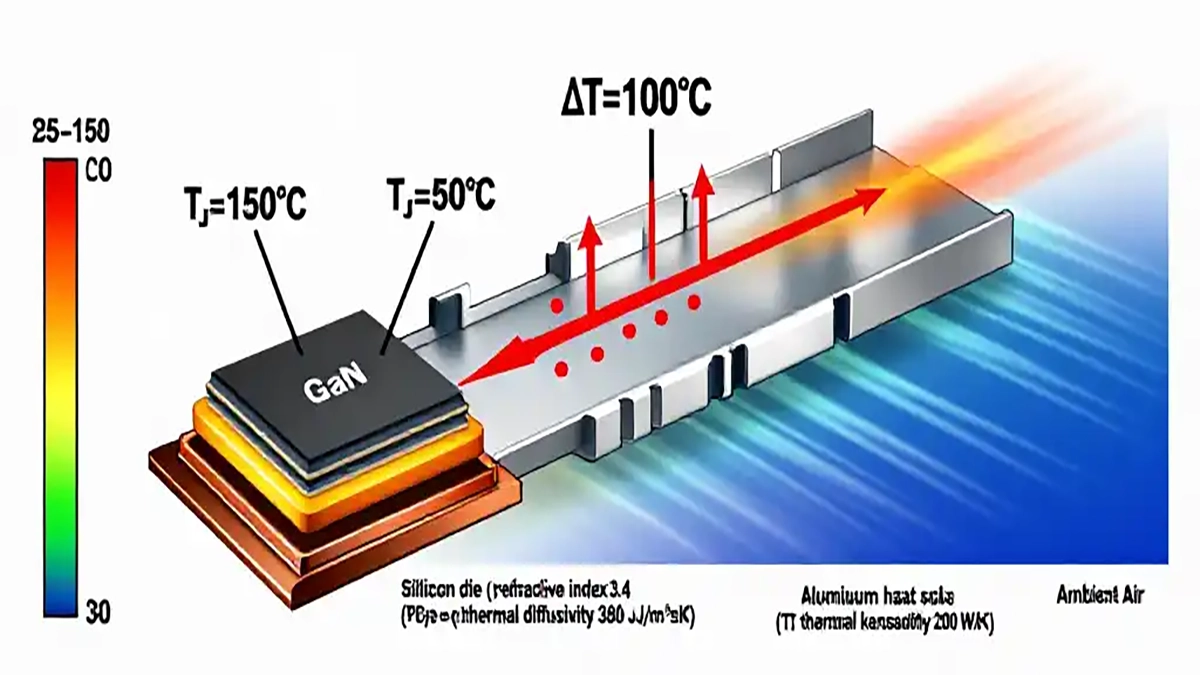
LED performance is closely tied to temperature. If the luminaire does not manage heat well, lumen maintenance declines faster, materials age more quickly, and electrical components face higher stress. Good thermal design therefore affects both output stability and overall product survival.
Why the Same LED Can Perform Very Differently
Two luminaires may use similar LED packages and still deliver very different field life because of differences in housing design, heat-sink efficiency, airflow, driver placement, and site conditions. This is one reason why relying only on chip-level marketing language is risky.
Real-World Conditions Matter More Than Lab Assumptions
Quoted life expectations are often based on controlled assumptions. Actual project conditions may be much harder on the luminaire:
- high ambient temperature
- poor ventilation above ceilings
- long daily operating hours
- moisture or contaminants
- voltage fluctuation and surge exposure
When these conditions are present, the useful life of the installation can differ substantially from the headline figure in a brochure.
What Buyers Should Ask When Reviewing Lifespan Claims
Instead of relying on a single life number, procurement and engineering teams should ask a broader set of questions:
- Is the lifespan claim tied to LED-source data or to the complete luminaire?
- What test basis supports the stated L70 figure?
- How is heat managed in the actual fixture design?
- What is known about driver quality and expected operating life?
- Under what ambient conditions is the claim intended to apply?
- Is the product designed for maintenance or component replacement where appropriate?
These questions are especially important in commercial, industrial, and project-based procurement where maintenance cost matters as much as initial price.
A More Useful Way to Read LED Life Statements
| Common claim | What it often means in practice |
|---|---|
| 50,000-hour LED life | a projected maintenance figure, not a guarantee of zero failures |
| LM-80 available | useful LED-source test data exists, but system evaluation is still needed |
| Long-life driver | should be checked against thermal conditions and application profile |
| Low maintenance product | only credible if the whole luminaire is built for long-term serviceability |
Conclusion
LED lifespan is not a single specification that answers every reliability question. It is a combined story about lumen maintenance, driver quality, thermal behavior, and operating conditions. That is why the best procurement decisions look beyond the headline life number and evaluate the complete system.
For project teams, the practical goal is not to chase the largest advertised hour figure. It is to choose luminaires whose source quality, thermal design, and electrical reliability are aligned with the real demands of the installation.