Hotel Wall Lights: How Decorative Lighting Adds Project Value
Why Hotel Wall Lights Matter More Than They Appear To
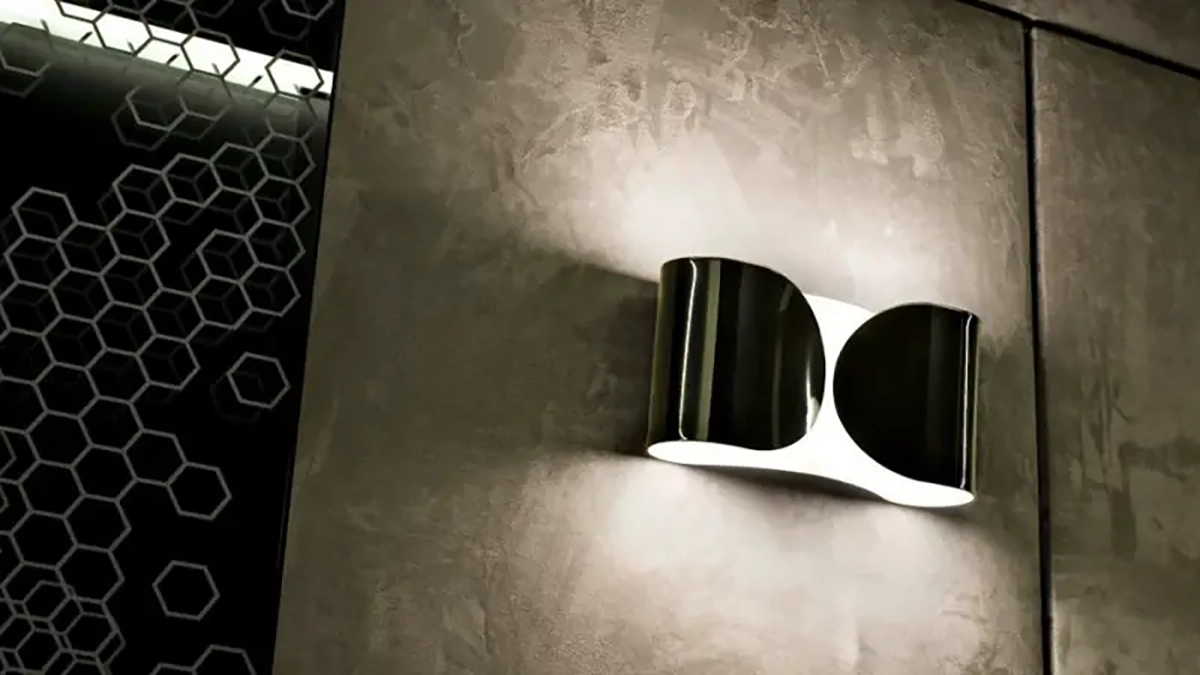
In many hospitality projects, wall lights are treated as finishing items added after the main lighting concept has already been decided. That approach usually misses their real value. Wall lights operate close to the guest, stay within the field of view, and shape how surfaces, textures, and circulation routes are perceived. A well-chosen wall light can make a room feel calmer, a corridor feel more deliberate, and a public area feel more premium without relying on excessive brightness.
For designers, operators, and procurement teams, the question is not whether wall lights are decorative or functional. In good hotel projects, they are both. The more useful question is where wall lights create measurable value and what type of specification helps them deliver that value consistently.
Where Wall Lights Create the Most Project Value
Guest Rooms
In guest rooms, wall lights often support the moments that matter most to comfort: reading, winding down, nighttime navigation, and perception of bedside quality. A decorative bedside wall light can reduce visual dependence on the ceiling fixture and help the room feel more layered and less flat.
This matters because hotel guests rarely judge lighting by technical metrics alone. They notice whether the room feels restful, whether switches are intuitive, and whether light lands in the right place without glare. When wall lights are handled well, the room usually feels more considered even if the fixture budget remains controlled.
Corridors and Transitional Spaces
Corridors benefit from wall lights because they break the monotony created by uniform ceiling rows. They also help establish pacing along the route and can reinforce the hotel brand through material, finish, and light distribution. In renovation projects, wall lights are especially useful where ceiling intervention is limited or where operators want a softer atmosphere than downlights alone can provide.
Lobby, Lounge, and Dining Areas
In public areas, wall lights are rarely the primary source of illumination, but they often determine whether the visual composition feels complete. They can emphasize material texture, frame architectural elements, and support a more intimate scale in spaces that would otherwise feel too open or too bright.
What Good Specification Looks Like
Start With the Use Case, Not the Fixture Shape
A common mistake is choosing wall lights solely on appearance. In practice, the right specification starts with the job the fixture needs to do.
For bedside applications, important questions include:
- Is the light intended for reading, ambient support, or both?
- Does the guest need direct control without leaving the bed?
- Is glare controlled when viewed from a reclining angle?
For corridors and public areas, the priorities shift:
- Does the light create rhythm on the wall without over-lighting the space?
- Is the beam appropriate for the wall height and surface finish?
- Will the fixture still look intentional when repeated across a long run?
Pay Attention to Optical Comfort
Wall lights sit close to eye level, so poor shielding or uncontrolled output becomes obvious very quickly. A fixture that looks acceptable in a showroom can become uncomfortable once it is installed beside a bed, at the end of a corridor, or near a seating area.
Procurement teams should therefore look beyond wattage and lumen claims. For most hospitality projects, the more relevant concerns are beam control, shielding, dimming behavior, color consistency, and the relationship between the luminaire and its mounting height.
Choose Finishes and Materials That Match the Hotel’s Positioning
Decorative wall lights often carry more visual responsibility than their size suggests. Finish quality, joinery detail, diffuser texture, and mounting precision all affect whether the fitting feels premium or generic. This is particularly important in upper-upscale and luxury projects where guests interact with lighting at close distance.
Brass-tone finishes, matte black, textured coatings, opal glass, fabric shades, and stone or ceramic accents can all work well, but only if they support the wider interior language. The fixture should not feel like an isolated design gesture.
Specification Priorities by Area
Guest Room Bedside
For bedside wall lights, the most useful priorities are:
- comfortable light at reading position
- easy switching or dimming access
- stable color temperature, usually in a warm range
- low glare when viewed from the bed
- durable details around switches, ports, and moving arms if included
If the product includes USB charging, shelf integration, or articulated reading heads, those features should be evaluated for long-term wear rather than brochure appeal.
Corridor
Corridor wall lights should support orientation and atmosphere rather than compete with directional wayfinding or emergency lighting. Repeatability matters here. A design that looks strong as a single fitting may feel heavy when installed every few meters.
Teams should review mock-ups for spacing, mounting height, and shadow pattern before committing to full production. Small adjustments in projection depth or beam distribution can make a corridor feel far more refined.
Bathroom or Vanity-Adjacent Areas
Where wall lights influence face lighting, color quality and shadow control become more important. Poor placement can create harsh vertical shadows or uneven illumination around the mirror zone. In these cases, decorative intent should not override practical grooming performance.
Common Procurement Mistakes
Treating Decorative Fixtures as Late-Stage Accessories
When wall lights are selected late, they usually inherit too many unresolved constraints. Back boxes may already be fixed, control capacity may be limited, and the interior palette may be locked. The result is often compromise: the wall light fills a gap but does not strengthen the lighting concept.
Buying on Image Alone
Hospitality teams sometimes approve wall lights based on renderings or sample-room aesthetics without verifying optical behavior, finish consistency, or installation tolerance. This creates risk in bulk production. What appears elegant in a single mock-up can become inconsistent across hundreds of rooms.
Ignoring Maintenance Reality
Decorative wall lights are often touched, cleaned, and occasionally impacted during operation. Fragile detailing, difficult lamp access, or weak mounting systems increase maintenance burden. For hotel projects, serviceability should be reviewed early, especially in guestrooms and corridors where downtime is highly visible.
A Practical Evaluation Checklist
Before final approval, it helps to review wall light options against a short project checklist:
| Evaluation area | What to confirm |
|---|---|
| Visual fit | Finish, scale, and form align with the room or public-space concept |
| Optical comfort | No obvious glare at normal guest viewing angles |
| Color quality | Warm, consistent output appropriate to hospitality use |
| Controls | Switching and dimming suit the guest experience |
| Installation | Mounting detail and backplate size fit site conditions |
| Durability | Material and finish quality suit daily hotel operations |
| Maintenance | Cleaning, parts replacement, and service access are manageable |
Conclusion
Wall lights add project value when they do more than decorate a surface. In hospitality settings, they influence comfort, atmosphere, circulation, and brand perception at close range. That makes them one of the most visible small fixtures in the project.
For hotel teams, the best results usually come from treating wall lights as part of the lighting strategy rather than as optional accessories. Once the use case, optical behavior, material quality, and maintenance demands are understood clearly, wall lights become a practical tool for improving both guest experience and design consistency.
Related Reading: