French Country Lighting Export Guide: Style Demand & Buyer Priorities
Why French Country Lighting Still Has Export Value
French country lighting remains relevant because it occupies a useful position between formal classicism and casual decorative comfort. It offers softness, ornament, and a sense of familiarity without feeling as heavy as more traditional European chandelier categories. In export markets, that balance matters. Buyers often want products that feel styled and characterful, but still accessible to a broad residential customer base.
For manufacturers and sourcing teams, this means French country lighting should not be viewed as a nostalgic niche only. It continues to perform because it adapts well to changing interior trends, especially where consumers want warmth, layered texture, and visible craftsmanship without moving into highly formal luxury language.
What Buyers Are Actually Looking For
A Softer Decorative Identity
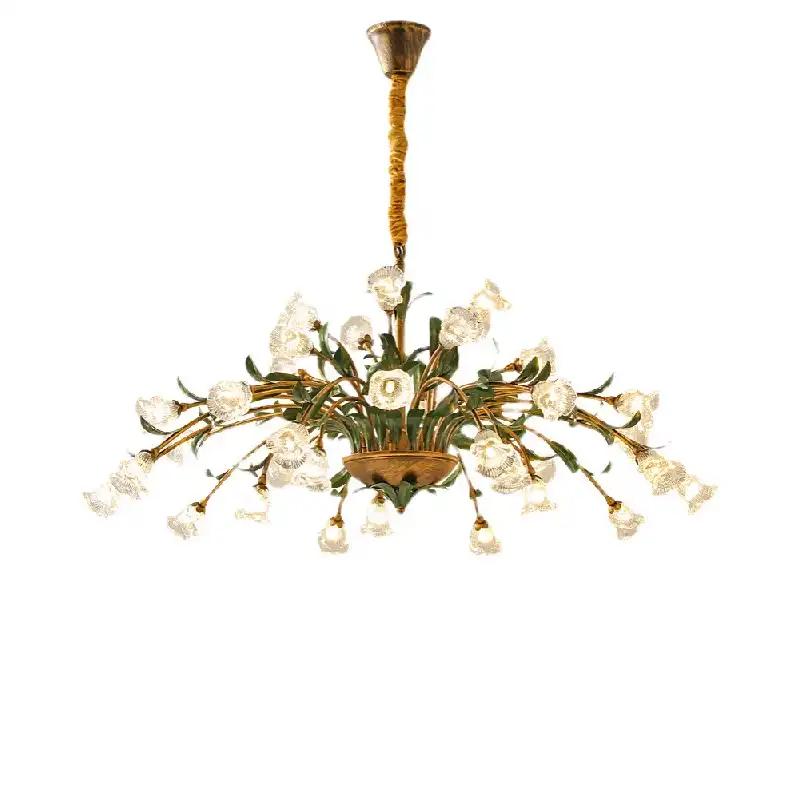
French country lighting tends to appeal when the customer wants decorative presence without visual heaviness. The style usually works through curved arms, warm metallic finishes, distressed or hand-finished surfaces, linen or glass shades, and details that feel artisanal rather than machine-perfect.
That combination makes it suitable for interiors that want comfort and personality. It also allows the category to sit comfortably beside farmhouse, transitional, cottage, and softer contemporary interiors.
Familiar Styling With Better Materials
One of the reasons the style continues to export well is that buyers increasingly want improved material quality within recognizable forms. They may still buy chandeliers, wall lights, and table lamps with classic silhouettes, but expectations around finish durability, electrical quality, and packaging are higher than before.
This is especially true in markets where online presentation drives first interest but final satisfaction depends on how the product feels in hand.
Where the Style Travels Best
North America
In North America, French country lighting works well where decorative lighting is part of the room identity rather than a purely architectural decision. Dining rooms, breakfast areas, entry spaces, bedrooms, and boutique hospitality settings are all typical applications. Buyers in this market often respond well to products that combine warmth, visible texture, and a sense of casual refinement.
Europe
In European markets, the style can succeed when it is interpreted with restraint. Products that feel overly theatrical or over-ornamented may struggle, while fixtures with balanced proportions, muted finishes, and cleaner detailing tend to travel better. For some buyers, the appeal is less about explicit “French country” branding and more about a gentle decorative mood.
Boutique Hospitality and Project Use
While the category is strongly associated with residential demand, it also has project relevance in boutique hotels, guesthouses, and restaurant environments that want a warm and character-led atmosphere. In these settings, the style works best when the decorative language feels intentional and not overly themed.
Product Direction That Export Buyers Tend to Prefer
Several product characteristics tend to make French country collections more export-friendly:
- warm neutral finishes rather than highly polished metallics
- decorative forms with controlled proportions
- shades and glass details that soften the fixture visually
- materials that look tactile and believable up close
- coordinated families across chandelier, wall light, pendant, and table lamp formats
The key is consistency. Export buyers often respond well when a collection feels complete and commercially coherent rather than assembled from unrelated decorative ideas.
Sourcing Priorities Beyond Style
Decorative appeal is only part of the buying decision. For export programs, practical execution matters just as much.
Finish Quality
French country products are judged closely on finish. If painted surfaces, distressed treatments, ceramic parts, or metallic tones look artificial or inconsistent, the whole product quickly feels cheap. Sample approval should therefore include close visual review, not just distant product photography.
Assembly and Packaging
Decorative fixtures often include more components, more fragile surfaces, and more finishing variation than simpler modern fittings. That increases the importance of packaging discipline, assembly tolerance, and transport protection. Export claims are easy to lose if the product arrives with surface damage or unstable construction.
Certification and Market Fit
As with any export lighting category, the fixture still needs to satisfy the electrical and compliance requirements of the target market. Decorative categories sometimes underperform not because of style demand, but because the supplier treats compliance as an afterthought.
Common Mistakes in This Category
Making the Design Too Literal
When every detail tries to signal “French country” at once, the result can feel forced. Better products usually edit the style rather than exaggerate it.
Ignoring Scale
Decorative fixtures that look elegant in photography may feel oversized or visually heavy in actual residential rooms. Scaled families and clear dimension planning are important, especially for online and export retail channels.
Prioritizing Initial Cost Over Finish Integrity
In this category, small cost reductions often damage the very features that make the style appealing. Finish inconsistency, weak metalwork, poor glass quality, or thin packaging create outsized commercial risk.
Conclusion
French country lighting continues to offer export value because it combines decorative warmth with broad market accessibility. It is not a mass-market basic category, but it remains commercially useful where buyers want recognizable style, layered materials, and a softer domestic mood.
For manufacturers and sourcing teams, the best opportunity lies in disciplined execution: balanced design, believable finishes, sound compliance, and collections that feel coherent across product types. Those fundamentals matter more than trend language alone.
Related Reading: